Spindex launch shows crypto casinos are entering a more data-led phase
18 Jun 2026Read More
Election betting boom puts prediction markets' insider-trading problem centre stage
- Midterm markets are becoming more granular
- Political insiders create a sharper information edge
- Trust is starting to matter as much as volume
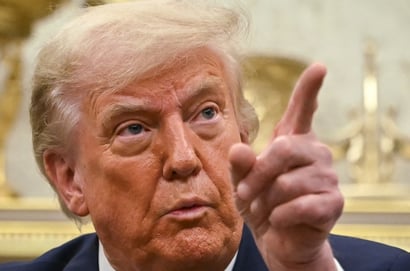
US President Donald Trump could sack Jerome Powell (Getty Images)
The next big problem for prediction markets is not demand. It is insider trading. As betting on the 2026 U.S. midterms becomes more detailed and more liquid, platforms are being pushed into a harder question than growth: can they convince users that political event markets are fair enough to trust?
That challenge is getting sharper because the products themselves are changing. Prediction markets are no longer limited to broad wagers on which party wins Congress or who takes a governor’s race. They are increasingly moving into narrower, more information-sensitive contracts tied to turnout, candidate withdrawals and race-specific developments. The more granular those markets become, the more valuable non-public political information becomes as a trading edge.
This is where politics creates a tougher integrity problem than sport. A football match has fixed rules, a public timetable and a result everyone can see. Political markets can turn on internal polling, campaign decisions, staffing moves or candidate intentions that only a small circle knows before the wider market does. Once money is riding on those moments, the risk is not simply that someone trades well. It is that they trade with an advantage ordinary users can never realistically match.
For operators, that is now a commercial issue rather than just a compliance concern. Prediction markets have grown partly by presenting themselves as smarter and more flexible than both sportsbooks and traditional polling. That proposition weakens quickly if traders begin to believe the best-connected participants are consistently one step ahead. A market can survive volatility. It struggles once confidence in the fairness of pricing starts to erode.
That is why surveillance is becoming part of the product itself. Platforms can no longer rely only on fast onboarding, market variety and rising volume. They need stronger monitoring, clearer restrictions on who can trade, and more visible action when suspicious behaviour appears. Some have already started tightening insider rules and expanding identity checks, but the broader point is that those systems are no longer optional extras. They are becoming core operating costs.
There is also a wider read-through for crypto betting and event trading. Prediction markets have often looked attractive because they sit between betting and finance, borrowing the energy of one and the pricing logic of the other. But that middle ground becomes harder to defend if they inherit the trust problems of both. A sportsbook worries about team news and integrity leaks. A market venue worries about unfair access to information. Political contracts can bring both tensions together in one place.
That does not mean the category stops growing. It does mean the next phase will be more expensive and more demanding. The operators that keep momentum will be the ones that can show rising volume has not come at the expense of fairness. In political prediction markets especially, that may be the real test of whether the business can mature without losing the confidence that made it valuable in the first place.
Upcoming Events
25 October 2026
Sports Events Starts in
Latest News
-
 Casino News
 -
AnalysisWorld Cup is exposing a growing split between bookmakers and prediction markets17 Jun 2026Read More
-
WSOP x SolanaWSOP crypto buy-ins show why poker suits digital payments15 Jun 2026Read More
-
Casino PromotionsStake puts World Cup promos front and centre as tournament betting goes live12 Jun 2026Read More
-
Industry NewsFanDuel Predicts teams up with Crypto.com and OG as event trading moves closer to the sportsbook mainstream10 Jun 2026Read More