Spindex launch shows crypto casinos are entering a more data-led phase
18 Jun 2026Read More
Kalshi’s latest suspicious-trading case shows trust is becoming the real battleground for prediction markets
- Suspicious activity was escalated to prosecutors
- Event markets face growing integrity pressure
- Trust is becoming a commercial advantage
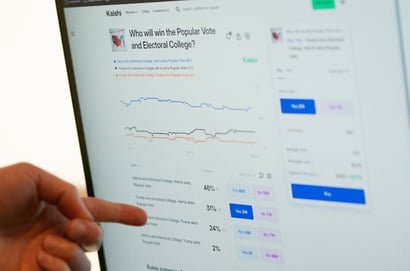
Kalshi’s decision to escalate a suspicious-trading case to U.S. prosecutors is a reminder that prediction markets are entering a more difficult phase, where integrity matters just as much as growth.
For a long time, the category’s appeal rested on speed, novelty and the idea that event contracts offered a fresh alternative to both sportsbooks and traditional financial products. That is still true to a point. But once suspicious trading becomes visible, the conversation changes quickly.
The real issue is not one account or one market. It is whether users believe these platforms are fair enough to trust with repeat activity and larger stakes. Prediction markets depend on the idea that prices reflect broad information and honest participation. If traders start to think some users are operating with a better information edge than everyone else, confidence in the whole format weakens. At that point, growth stops being only a product story and becomes a credibility test.
That matters commercially because trust is now part of the product. A sportsbook can usually rely on familiar rules, fixed schedules and official results. Prediction markets are more exposed. Their contracts can turn on public events, timing and wording in ways that leave more room for uneven information and disputes. The more these platforms expand beyond sport into politics, policy or business events, the more vulnerable they become to that problem.
For crypto-adjacent betting operators, this is where the category starts to look more expensive to run than it once did. Surveillance, account monitoring, legal review and market controls all become more important once regulators and users start paying closer attention to suspicious behaviour. That favours larger operators with the money and infrastructure to absorb those costs. Smaller platforms may still be able to launch quickly, but scaling becomes harder if integrity systems do not keep up.
There is also a competitive angle. Prediction markets have often stood out by feeling lighter, faster and more flexible than conventional betting products. But if they want to keep growing, they may need to adopt more of the same monitoring discipline that mainstream sportsbooks and exchanges already treat as normal. That could narrow some of the category’s original appeal, but it may also be necessary if operators want deeper liquidity and wider acceptance.
The bigger point is that prediction markets are moving out of the novelty stage. They are now large enough, visible enough and commercially important enough for users to judge them on whether they feel fair, not just whether they feel interesting. Operators that can build trust into the product will be stronger for it. Those that cannot may find that the next big threat is not regulation alone, but a loss of confidence from the market itself.
Upcoming Events
11 October 2026
Sports Events Starts in
Latest News
-
 Casino News
 -
AnalysisWorld Cup is exposing a growing split between bookmakers and prediction markets17 Jun 2026Read More
-
WSOP x SolanaWSOP crypto buy-ins show why poker suits digital payments15 Jun 2026Read More
-
Casino PromotionsStake puts World Cup promos front and centre as tournament betting goes live12 Jun 2026Read More
-
Industry NewsFanDuel Predicts teams up with Crypto.com and OG as event trading moves closer to the sportsbook mainstream10 Jun 2026Read More