Spindex launch shows crypto casinos are entering a more data-led phase
18 Jun 2026Read More
Prediction market data gains mainstream traction through Google integration
- Google surfaces Polymarket and Kalshi odds in search results
- Event trading becomes visible to a global retail audience
- Transparency and regulation will define next-phase growth
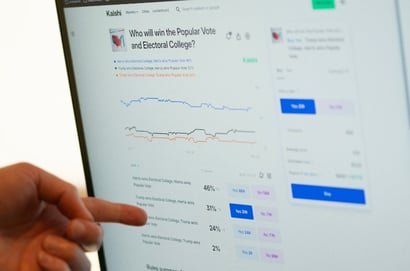
Prediction markets have moved closer to mainstream finance after Google began displaying live data from Polymarket and Kalshi in its search and finance products.
Users typing questions such as “Will Bitcoin rise above $120,000 this year?” or “Will the US avoid recession?” can now see real-time probabilities alongside news and conventional market data.
The feature, confirmed this week by Google Labs, marks a turning point for an industry once confined to crypto-niche platforms.
The company described the integration as an experiment to “bring market-based forecasts into everyday information flow.”
Both Polymarket and Kalshi supply data via public APIs, though Google stressed that only “licensed or verifiable” sources will appear.
For prediction platforms, the visibility is a commercial coup. Kalshi operates as a federally registered event-contract exchange under the US Commodity Futures Trading Commission, while Polymarket - after a 2022 settlement with the same regulator - has sought to re-enter the American market through a compliant entity.
According to data from CoinMetrics, combined daily turnover on the two platforms this week reached an all-time high for the category.
Analysts view the change as part of a larger convergence between betting, data and finance.
"Displaying prediction odds next to asset prices reframes them as information, not wagers,” said fintech strategist Eleanor Park at London-based Horizon Insights.
"It invites institutional users to treat them as live forecasts rather than novelty markets.”
The move also raises questions about quality and oversight, however. A recent Columbia University paper estimated that roughly a quarter of historic Polymarket activity could be classified as “artificial trading” designed to inflate volume metrics. If prediction data are to be used by analysts or journalists, exchanges will need to prove that liquidity is genuine.
Regulators are watching too. Several US states continue to classify sports and entertainment event contracts as gambling, regardless of federal treatment. By choosing only exchanges with licensing or audit trails, Google appears to be sidestepping that grey zone—but the experiment’s success may still hinge on whether authorities see embedded odds as financial information or gaming promotion.
Upcoming Events
10 October 2026
11 October 2026
Sports Events Starts in
Latest News
-
 Casino News
 -
AnalysisWorld Cup is exposing a growing split between bookmakers and prediction markets17 Jun 2026Read More
-
WSOP x SolanaWSOP crypto buy-ins show why poker suits digital payments15 Jun 2026Read More
-
Casino PromotionsStake puts World Cup promos front and centre as tournament betting goes live12 Jun 2026Read More
-
Industry NewsFanDuel Predicts teams up with Crypto.com and OG as event trading moves closer to the sportsbook mainstream10 Jun 2026Read More